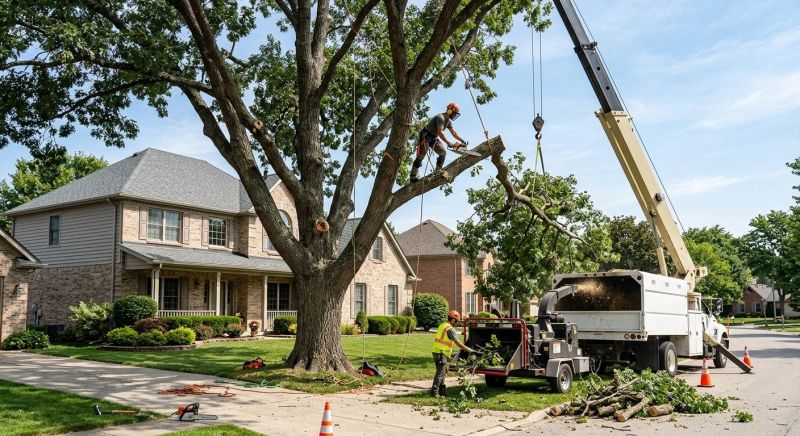
Pear Tree Pruning in Doylestown, PA
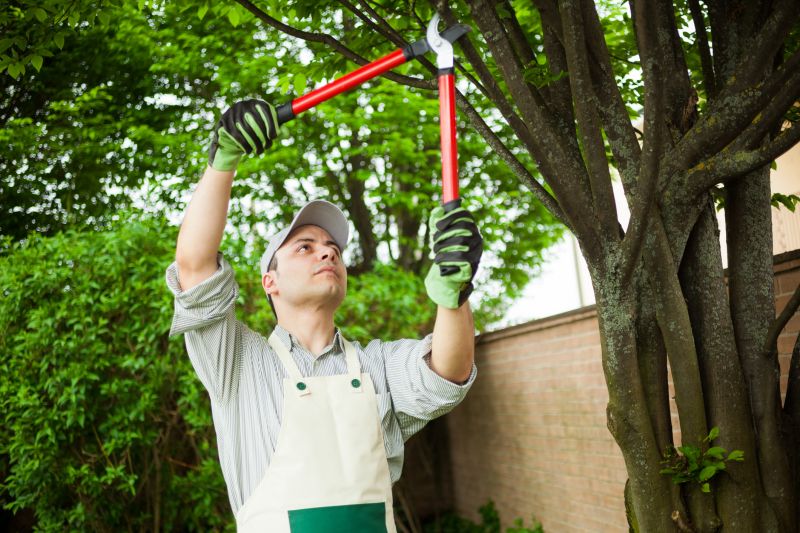
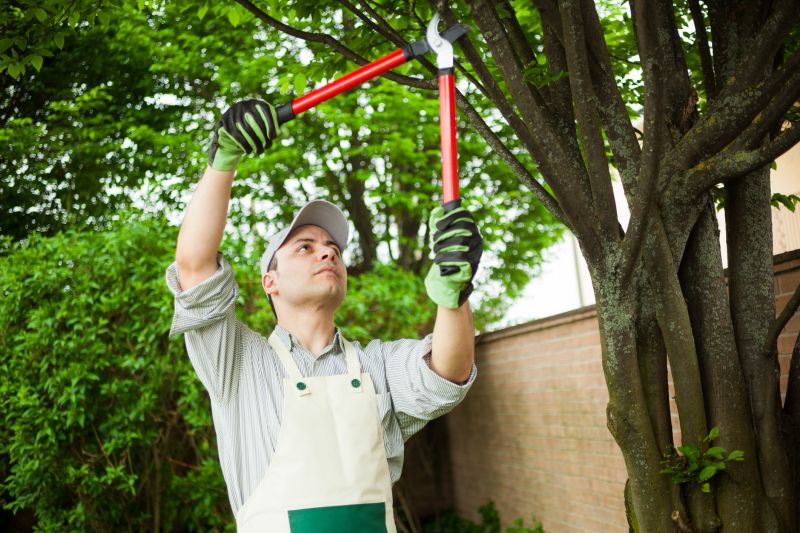
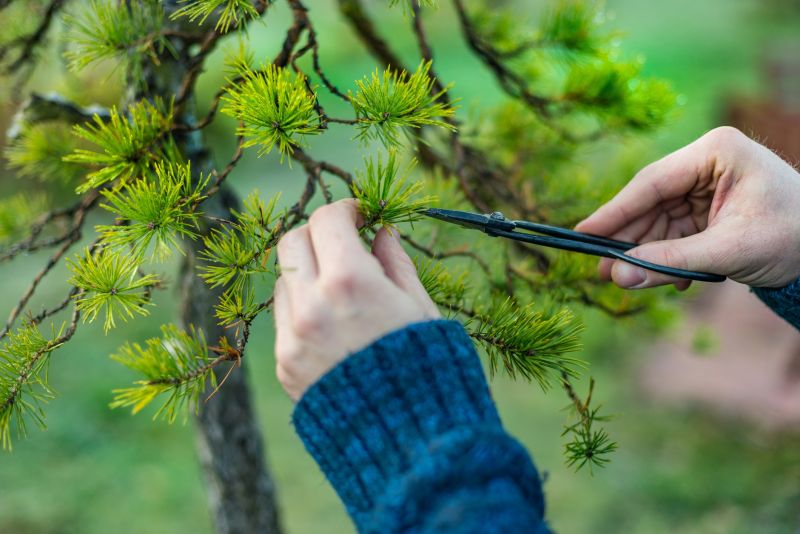
Pear Tree Pruning services involve carefully trimming and shaping fruit trees, ornamental trees, and other woody plants to promote healthy growth and maintain an attractive appearance. This process can include removing dead or diseased branches, reducing excess foliage, and shaping trees to prevent overgrowth or potential hazards. Homeowners often request this service to enhance their landscape’s aesthetic, improve fruit production, or ensure safety by preventing branches from interfering with structures or power lines. Understanding the specific needs of the trees on a property, including their species and growth patterns, can help determine the appropriate pruning approach.
Before requesting pear tree pruning, property owners should consider the age and health of their trees, as well as any specific goals such as fruit yield or visual appeal. It’s also helpful to know if there are any sensitive or protected areas around the property that may influence pruning decisions. Proper timing is important, with many trees benefiting from pruning during dormancy or specific seasons. Contacting a professional for guidance can help ensure that pruning is performed effectively and in accordance with best practices for tree health and safety.
Many property owners in Doylestown, PA look into Pear Tree Pruning for repairs, replacements, upgrades, and appearance-related improvements.
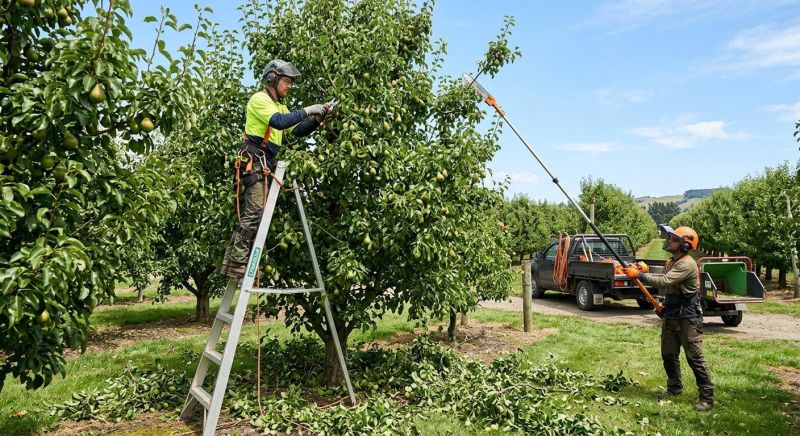
Tree Health And Growth
Proper pruning encourages healthy growth and maintains the vitality of pear trees.
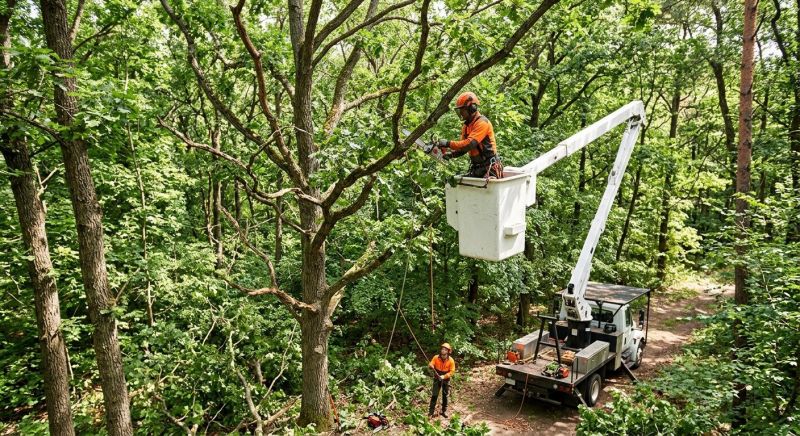
Safety And Clearance
Pruning removes dead or overgrown branches to prevent hazards around homes and walkways.
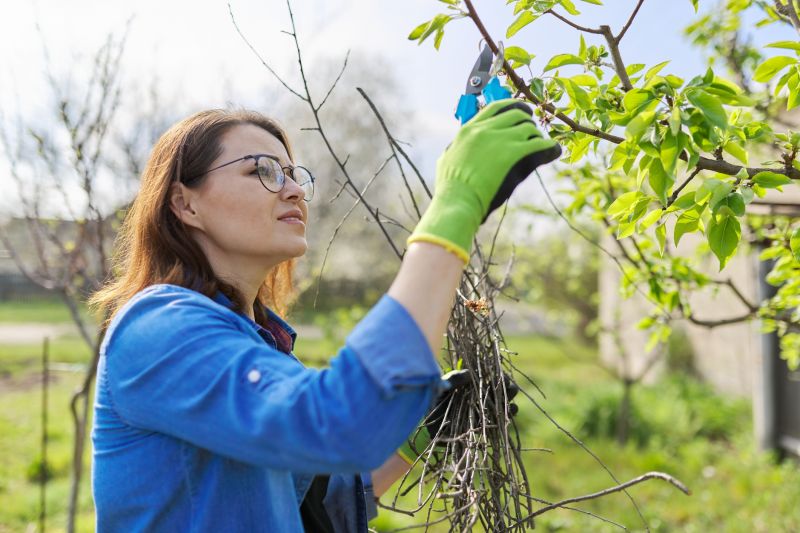
Aesthetic Enhancement
Shaping and trimming improve the appearance of pear trees, enhancing the overall landscape.
Pear Tree Pruning in Doylestown, PA

Pear Tree Pruning services involve carefully trimming and shaping fruit trees, ornamental trees, and other woody plants to promote healthy growth and maintain an attractive appearance. This process can include removing dead or diseased branches, reducing excess foliage, and shaping trees to prevent overgrowth or potential hazards. Homeowners often request this service to enhance their landscape’s aesthetic, improve fruit production, or ensure safety by preventing branches from interfering with structures or power lines. Understanding the specific needs of the trees on a property, including their species and growth patterns, can help determine the appropriate pruning approach.
Before requesting pear tree pruning, property owners should consider the age and health of their trees, as well as any specific goals such as fruit yield or visual appeal. It’s also helpful to know if there are any sensitive or protected areas around the property that may influence pruning decisions. Proper timing is important, with many trees benefiting from pruning during dormancy or specific seasons. Contacting a professional for guidance can help ensure that pruning is performed effectively and in accordance with best practices for tree health and safety.
Many property owners in Doylestown, PA look into Pear Tree Pruning for repairs, replacements, upgrades, and appearance-related improvements.
Common Pear Tree Pruning Jobs
Pear Tree Pruning Services - Proper pruning helps maintain the health and structure of pear trees.
Seasonal Trimming - Regular trimming encourages fruit production and removes dead or diseased branches.
Formative Pruning - Shaping young pear trees promotes strong growth and balanced development.
Thinning - Removing excess fruit or branches improves air circulation and reduces disease risk.
Safety Pruning - Cutting back overgrown or hazardous branches enhances safety around the property.
Sanitation Pruning - Clearing away fallen debris and diseased material supports overall tree health.
Pear Tree Pruning Questions
Why is pear tree pruning important? Proper pruning helps maintain tree health, encourages better fruit production, and shapes the tree for safety and aesthetics.
When is the best time to prune a pear tree? The ideal time is during late winter or early spring before new growth begins.
What types of pruning are recommended for pear trees? Thinning, heading, and structural pruning are common to improve airflow, remove deadwood, and promote strong growth.
How can improper pruning affect a pear tree? Incorrect pruning can lead to weak branches, disease susceptibility, and reduced fruit yield.
Request Pear Tree Pruning in Doylestown, PA
Use the quote form on this page to share the basics of your project and request more information for the type of work you need.